
With Best HELOC Lenders in the USA: Comparing Rates from Top Banks at the forefront, this paragraph opens a window to an amazing start and intrigue, inviting readers to embark on a storytelling casual formal language style filled with unexpected twists and insights.
As we delve into the world of HELOC lenders in the USA, exploring the rates offered by top banks unveils a landscape of financial opportunities waiting to be discovered.
Researching HELOC Lenders
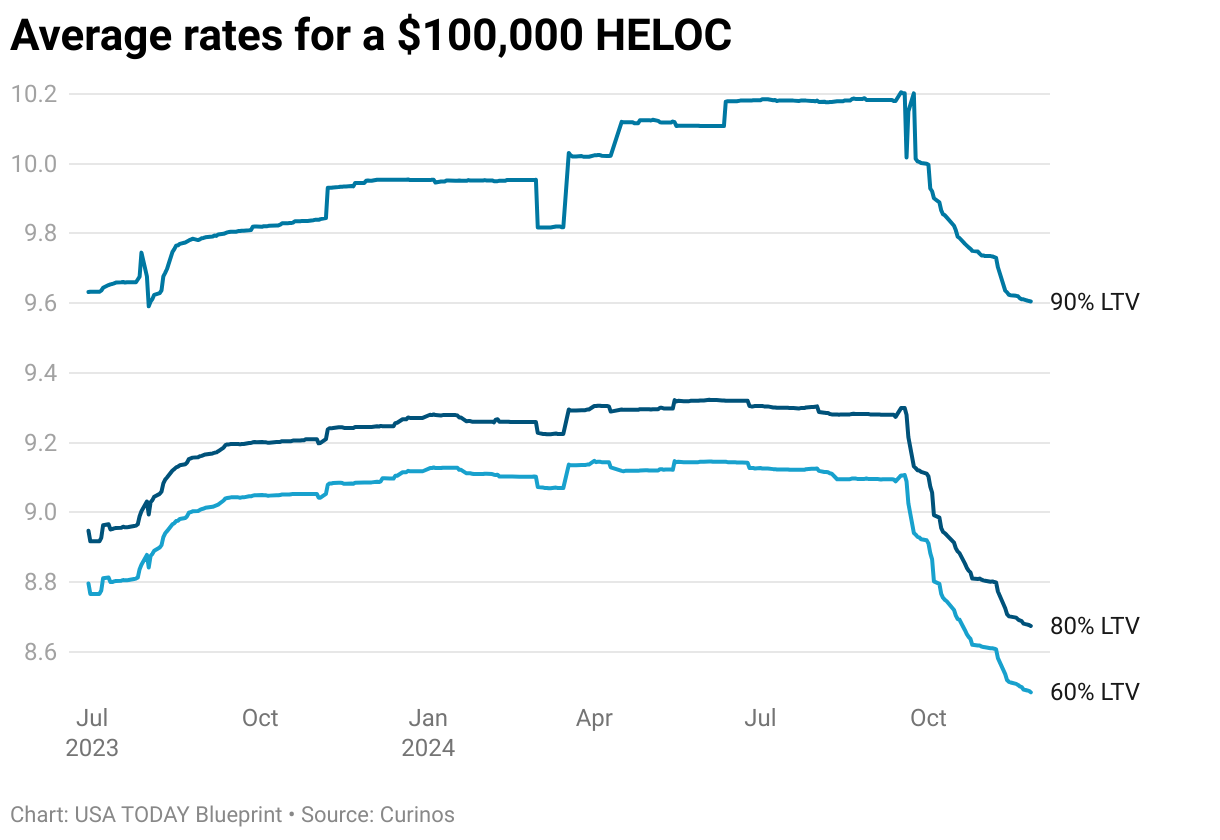 When looking for a Home Equity Line of Credit (HELOC), it is crucial to research and compare different lenders to ensure you are getting the best deal possible. Below are some key points to consider during your research process.
Identifying Top Banks Offering HELOCs
- Start by researching and identifying the top banks in the USA that offer HELOCs. Some well-known banks that commonly provide HELOCs include Wells Fargo, Bank of America, Chase, and Citibank.
- Check online reviews, ratings, and customer feedback to gauge the reputation of each bank and their HELOC offerings.
Importance of Comparing Rates
- Comparing interest rates from different lenders is crucial as it can significantly impact the overall cost of your HELOC. Even a slight difference in rates can lead to substantial savings or costs over the life of the loan.
- Consider not only the interest rates but also other fees, terms, and conditions associated with the HELOC to make an informed decision.
Key Factors to Consider
- Interest Rates: Look for competitive interest rates that suit your financial situation and goals.
- Repayment Terms: Evaluate the repayment terms, including the draw period, repayment period, and any penalties for early repayment.
- Fees and Costs: Consider all fees involved, such as origination fees, annual fees, closing costs, and any other charges that may apply.
- Customer Service: Assess the quality of customer service provided by each lender to ensure you will have a smooth borrowing experience.
Comparing Interest Rates
 Interest rates play a crucial role in determining the overall cost of a Home Equity Line of Credit (HELOC). They can significantly impact the amount of money you pay back over time, making it essential to compare rates from different lenders to find the best option for your financial situation.
Interest Rates Comparison Table
| Lender | Fixed-Rate | Variable-Rate |
|---|---|---|
| Bank A | 3.25% | 2.75% |
| Bank B | 3.50% | 2.90% |
| Bank C | 3.75% | 3.00% |
Impact of Interest Rates on HELOC Cost
Interest rates directly affect how much you'll pay in interest over the life of your HELOC. Higher rates mean more interest charges, increasing the overall cost of borrowing. Choosing a lender with lower rates can save you money in the long run.
Fixed-Rate vs. Variable-Rate HELOC
Fixed-rate HELOCs have a set interest rate that won't change over time, providing stability in payments but potentially starting higher. On the other hand, variable-rate HELOCs have rates that can fluctuate with the market, offering the possibility of lower initial rates but with the risk of increases in the future.
Understanding Terms and Conditions
When considering a Home Equity Line of Credit (HELOC), it is crucial to understand the terms and conditions associated with this type of loan. These terms can significantly impact the overall cost and flexibility of your borrowing experience.Common Terms and Conditions
- Draw Period: This is the time during which you can access funds from your HELOC. Typically, this period lasts around 5 to 10 years.
- Repayment Period: After the draw period ends, you enter the repayment period where you can no longer withdraw funds and must start repaying the outstanding balance.
- Interest Rate: HELOCs usually have variable interest rates tied to the prime rate, which means your monthly payments can fluctuate.
- Minimum Draw: Some lenders require you to withdraw a minimum amount when you open a HELOC, even if you don't need the funds immediately.
Implications of Different Terms on Borrowers
- A longer draw period can provide more flexibility in accessing funds over time but may result in higher interest costs in the long run.
- Variable interest rates can lead to unpredictable monthly payments, making it harder to budget effectively for repayment.
- Minimum draw requirements can force you to take out more money than you actually need, potentially increasing your debt burden.
Flexibility in Repayment Options
- Some lenders offer interest-only payments during the draw period, allowing borrowers to manage cash flow more effectively.
- Others may provide the option to convert a portion of the HELOC balance into a fixed-rate loan, providing stability in repayment amounts.
- Certain lenders may offer the ability to make additional payments or pay off the balance early without incurring prepayment penalties.
Application Process and Approval
When it comes to applying for a Home Equity Line of Credit (HELOC), understanding the application process and approval criteria is crucial. Each lender may have slightly different requirements, so it's important to compare and be prepared. Here, we will detail the typical application process, compare approval criteria among different lenders, and share tips for increasing your chances of HELOC approval.Typical Application Process for a HELOC
- Submit an application: Start by filling out an application with the lender, providing information about your income, assets, debts, and the property you wish to use as collateral.
- Home appraisal: The lender may require an appraisal of your home to determine its current market value.
- Credit check: Your credit score and history will be reviewed to assess your creditworthiness.
- Approval decision: The lender will review your application, credit history, and property value to make a decision on your HELOC application.
- Closing: If approved, you will go through the closing process where you sign the necessary paperwork and agree to the terms of the HELOC.
Comparison of Approval Criteria
- Credit score: Different lenders may have varying minimum credit score requirements for HELOC approval.
- Debt-to-income ratio: Lenders will assess your debt-to-income ratio to ensure you can afford the additional debt from the HELOC.
- Loan-to-value ratio: The loan-to-value ratio, which compares the amount of the loan to the value of the property, will also be considered by lenders.
- Income stability: Lenders may require proof of stable income to ensure you can make payments on the HELOC.
Tips for Increasing Chances of HELOC Approval
- Improve your credit score: Pay down debt, make payments on time, and correct any errors on your credit report to boost your credit score.
- Lower your debt-to-income ratio: Pay off existing debts or increase your income to lower your debt-to-income ratio.
- Shop around: Compare offers from different lenders to find the best terms and rates for your HELOC.
- Be prepared: Have all necessary documents and information ready when applying for a HELOC to streamline the process and show your readiness.
Conclusive Thoughts
In conclusion, the journey through the realm of HELOC lenders and their rates from top banks leaves us with a clear understanding of how to navigate this financial landscape with confidence and insight.
Essential FAQs
What factors should I consider when choosing a HELOC lender?
When selecting a HELOC lender, consider interest rates, fees, repayment terms, and customer service quality.
How do fixed-rate and variable-rate HELOC options differ?
Fixed-rate HELOCs offer a consistent interest rate throughout the loan term, while variable-rate HELOCs have rates that can fluctuate based on market conditions.
What are some common terms and conditions associated with HELOCs?
Common terms include draw period, repayment period, interest rate type, and potential fees like annual fees or prepayment penalties.